| | | | | | | | |

Before the Family Gathering: Conversations That Can Support Caregiving and Aging Well

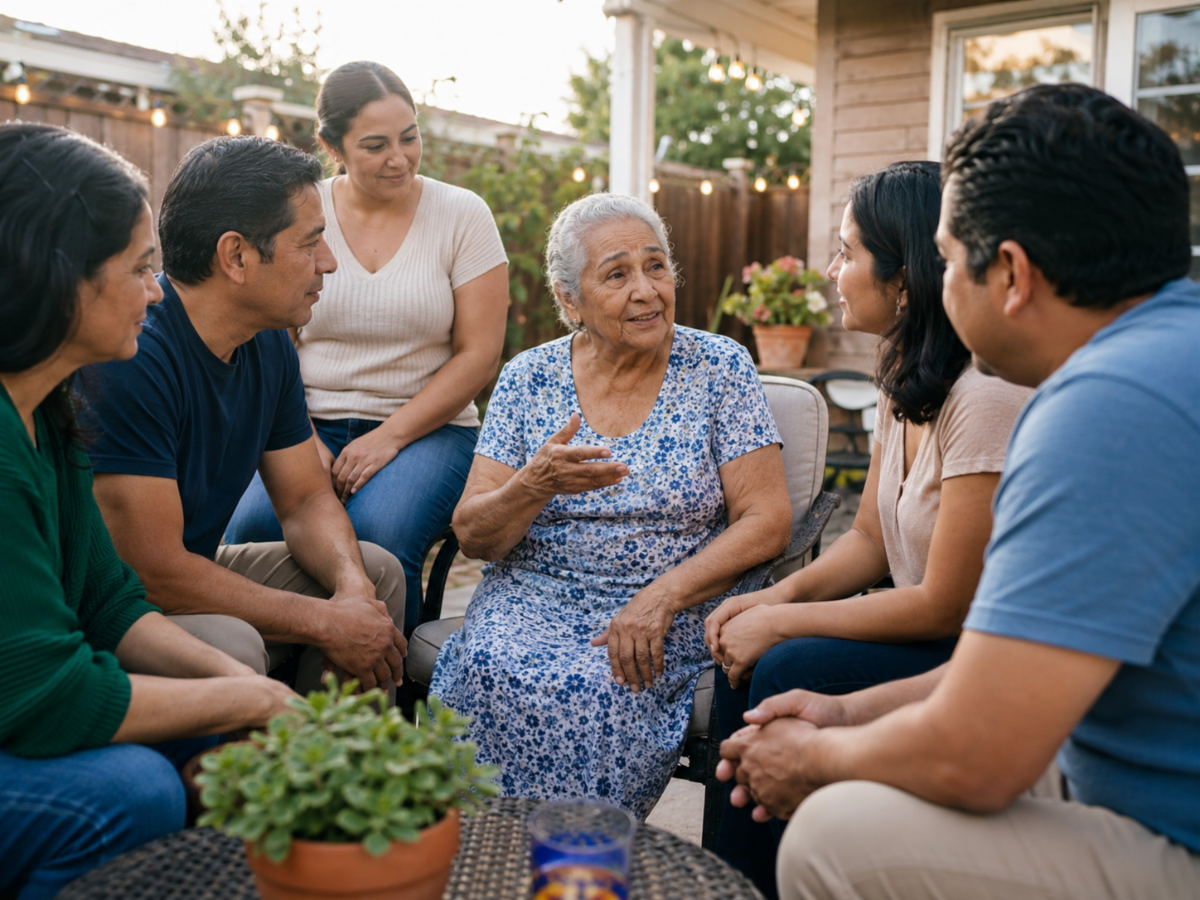
July is often a month of family reunions, cookouts, church picnics, backyard visits, road trips, and summer gatherings.

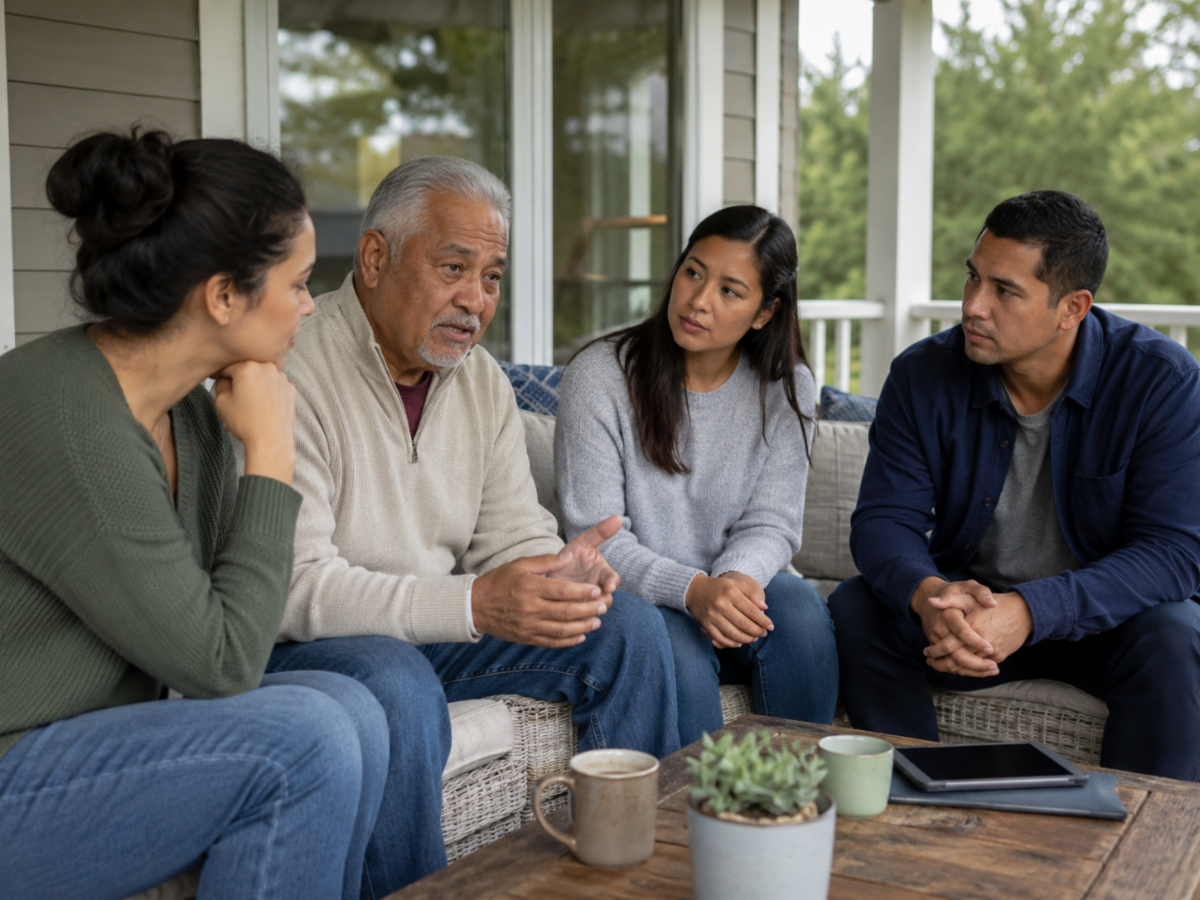
These moments can be full of laughter, food, memories, photos, and connection. They can also be an opportunity to notice how older loved ones are doing and whether family caregivers may need more support.

A family gathering does not need to turn into a formal meeting. No one wants a cookout to suddenly feel like a conference room.

But when families are already together, even a gentle conversation can open the door to better planning, shared responsibility, and fewer rushed decisions later.

Caregiving and aging well are easier to support when families talk before a crisis!


Why Family Gatherings

Can Reveal Important Changes

Sometimes changes are easier to notice when everyone is together.

  • A loved one may seem more tired than usual.
  • They may have trouble following a conversation.
  • They may be walking more carefully.
  • They may avoid stairs or need help getting in and out of a chair.
  • They may repeat questions, forget names, or seem less confident managing familiar tasks.
  • A family caregiver may look exhausted, distracted, or overwhelmed.

One change does not always mean there is a serious problem. But it can be a signal to pay attention, ask kind questions, and avoid dismissing concerns.

Families do not need to panic. They need to notice.

Start With Respect, Not Assumptions

Caregiving conversations should begin with dignity!

Older adults deserve to be included in conversations about their own lives, preferences, safety, and support. Families should be careful not to talk around them or make decisions without them when they are able to participate.

Instead of beginning with criticism or alarm, try gentle conversation starters such as:

  • “How have things been going at home lately?”
  • “Is anything feeling harder than it used to?”
  • “Are there any tasks you wish you had more help with?”
  • “What would help you feel more comfortable or supported?”
  • “Are there things you want us to know before decisions have to be made quickly?”

The goal is not to take over! The goal is to listen, understand, and support.

Check In on the Caregiver, Too!

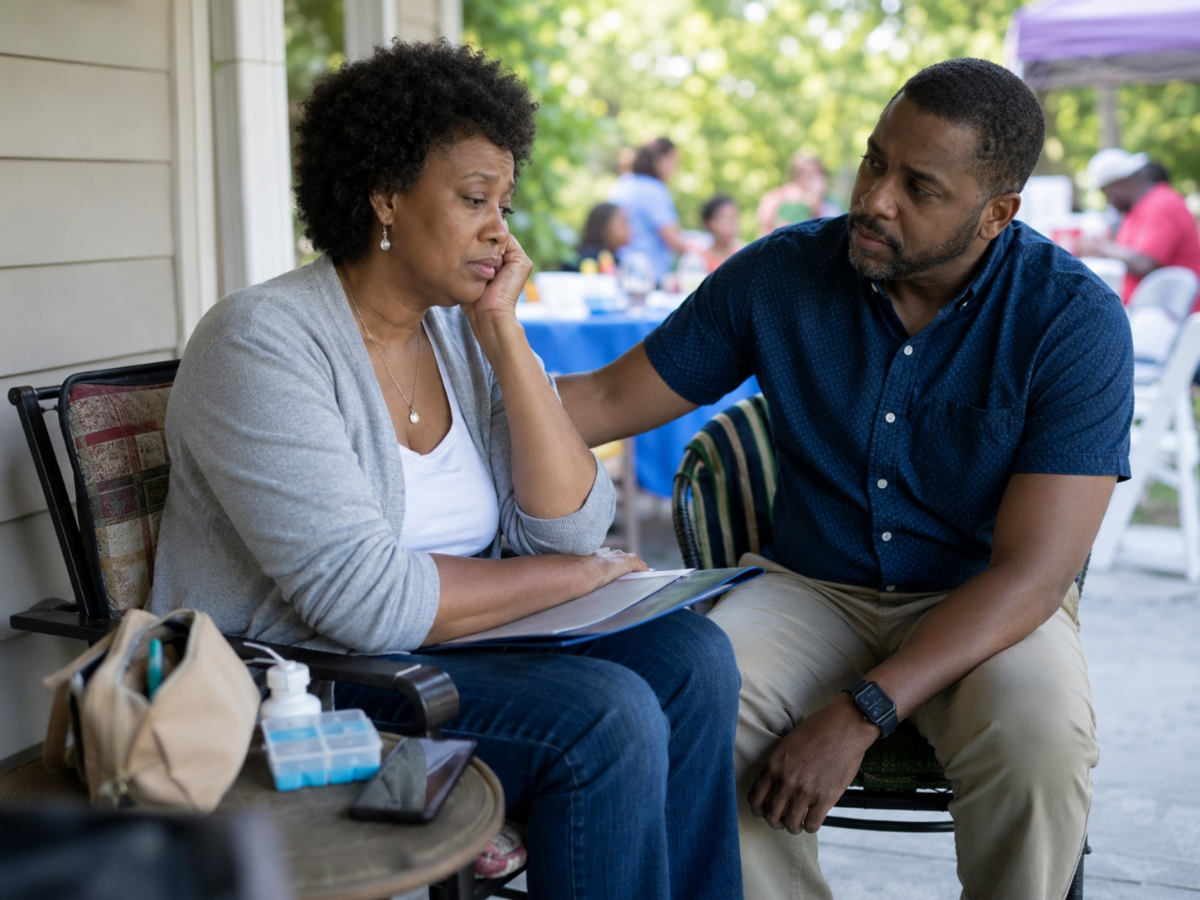
Family gatherings often focus on the older loved one, but the family caregiver may also need attention.

The caregiver may be coordinating appointments, managing medications, handling meals, making phone calls, keeping track of paperwork, providing transportation, or staying alert to daily changes.

During a gathering, family members can look for signs that the caregiver may need help:

  • They seem unusually tired or withdrawn.
  • They are answering every question for the older adult.
  • They mention feeling overwhelmed, even casually.
  • They are keeping track of many details alone.
  • They seem unable to relax during the gathering.
  • They say, “It’s fine,” but their face and body language say otherwise.

A helpful question may be:

“What is one thing we can take off your plate this month?”

Even better, offer something specific:

“I can take Mom to her next appointment.”

“I can call the insurance company.”

“I can bring dinner next Thursday.”

“I can sit with Dad while you go to your own appointment.”

“I can help update the emergency contact list.”

Specific help is easier to accept than a general, “Let me know if you need anything.”

Use the Gathering to Update Practical Information

Family conversations can be emotional, but some of the most helpful steps are very practical.

Summer gatherings can be a good time to quietly confirm or update:

  • Emergency contacts
  • Current medications and allergies
  • Doctors and pharmacy information
  • Health insurance information
  • Preferred hospital
  • Transportation needs
  • Household safety concerns
  • Who has keys or access to the home
  • Who should be called first in an emergency
  • Where important documents are kept
  • Whether advance care planning documents exist
  • Whether caregiving tasks are being shared fairly

This does not all need to be handled in one conversation. One small update is still progress.

Notice the Home and Daily Routine

If the gathering takes place at an older loved one’s home, family members may notice things that are easy to miss during phone calls.

Look gently and respectfully for signs such as:

  • Mail piling up
  • Spoiled food or an empty refrigerator
  • Unusual clutter
  • Burned pots or kitchen concerns
  • Missed medications
  • Increased fall hazards
  • Difficulty managing stairs
  • Poor lighting
  • Changes in personal care
  • Missed appointments
  • A caregiver who seems to be doing everything alone

These observations should be handled with care. The goal is not to embarrass anyone. The goal is to notice where support may be needed.

A respectful approach could be:

  • “I noticed the stairs seem harder lately. Would it help if we looked at safer options together?”

or

  • “It looks like there is a lot to keep track of. Could we help organize a few things so it feels less stressful?”


Avoid Waiting for a Crisis

Many families delay caregiving conversations because they feel uncomfortable, do not want to upset anyone, or hope things will work themselves out.

But waiting until a fall, hospitalization, medication mistake, or caregiver burnout occurs can make decisions harder and more stressful!

Talking earlier allows families to ask:

  • What matters most to our loved one?
  • Who is available to help?
  • What support is realistic?
  • What information do we need?
  • What can we prepare now?
  • What would make the home safer?
  • What community resources may be useful?
  • What does the primary caregiver need?

Planning does not mean expecting the worst. It means caring enough to prepare!

Make the Conversation Collaborative

Family caregiving works best when people understand the needs, the roles, and the limits.

Not every person can help in the same way:

  • Some may provide transportation.
  • Some may help financially.
  • Some may make phone calls.
  • Some may research resources.
  • Some may provide respite.
  • Some may visit regularly.
  • Some may live far away but still support paperwork, scheduling, or check-ins.

The key is to move from assumption to clarity!

A simple family conversation might include:

  • What does our loved one want and need?
  • What is the current caregiver already doing?
  • What tasks need backup?
  • Who can help with what?
  • What information should everyone have?
  • When should we check in again?

This kind of conversation can prevent resentment, confusion, and last-minute scrambling. 

A Simple Family Gathering Caregiving Check-In List

Use this list as a starting point before or after a family gathering:

  • Did we ask our older loved one how they are really doing?
  • Did we include them in the conversation respectfully?
  • Did we check on the family caregiver’s wellbeing?
  • Did we offer one specific form of help?
  • Did we update emergency contacts?
  • Did we confirm medication, doctor, and pharmacy information?
  • Did we notice any home safety concerns?
  • Did we talk about transportation needs?
  • Did we identify who can help with what?
  • Did we agree on one next step?

Families do not have to solve everything at once. One thoughtful conversation can lead to better support.


A Gentle Reminder for Families

Family gatherings are about connection.

They remind us who we are, where we come from, and how much we matter to one another. They can also remind us that aging, caregiving, and family support are part of life’s journey.

The best conversations often begin gently.

Not with blame.

Not with fear.

Not with pressure.

But with care.

This July, as families gather around tables, porches, parks, churches, backyards, and reunion spaces, consider using one moment to ask:

“How can we support each other better before there is a crisis?”

That question can become an information tool.

It can help families notice needs, share responsibilities, protect dignity, and strengthen the circle of care!

This week’s gentle action step:

Before or after your next family gathering, choose one practical item to update: emergency contacts, medication list, doctor information, transportation needs, or who can help with one caregiving task.

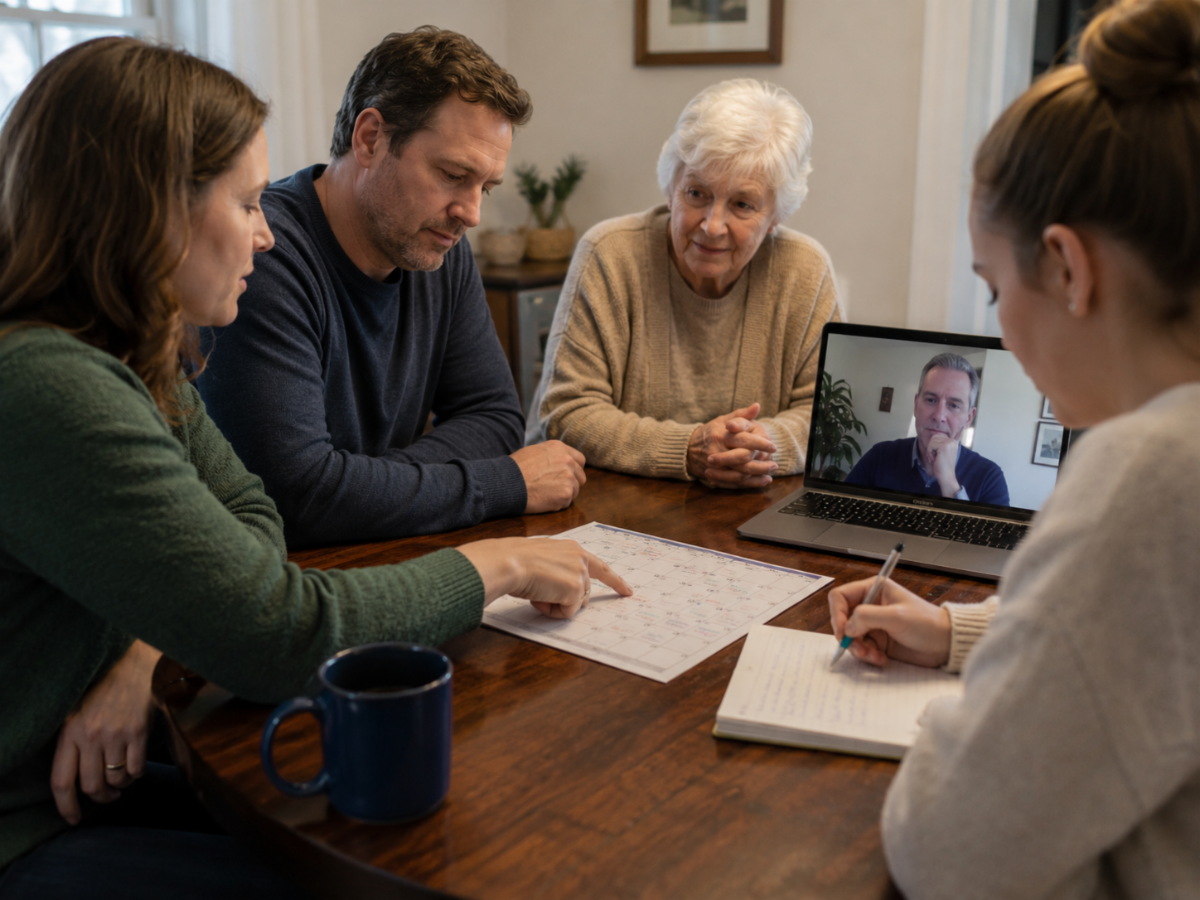
For credible support, the Family Caregiver Alliance recommends including everyone who is or will be part of the caregiving team when planning a family meeting.

The National Institute on Aging also encourages families to set up a meeting or conference call with the older person and those involved in their care when sharing caregiving responsibilities.

The post’s emergency-contact and preparedness points are supported by Ready.gov, which offers an older-adult preparedness guide for older adults and caregivers, and by MedlinePlus Magazine/NIA, which notes that NIA caregiving worksheets can help families track responsibilities, medications, important documents, and other caregiving details.

The connection-centered July framing is supported by Social Wellness Month observance materials that describe July as a time to strengthen connection, social support, and relationships.

Spread the love

Similar Posts

Leave a Reply

Your email address will not be published. Required fields are marked *