





| | | |

Honoring the Silent Strength of Youth Caregivers This November

November brings with it two powerful national observances—National Family Caregivers Month and Alzheimer’s Awareness Month.

It’s a time to recognize and uplift the more than 53 million Americans who provide unpaid care to loved ones, often juggling their responsibilities with work, family, and personal health.

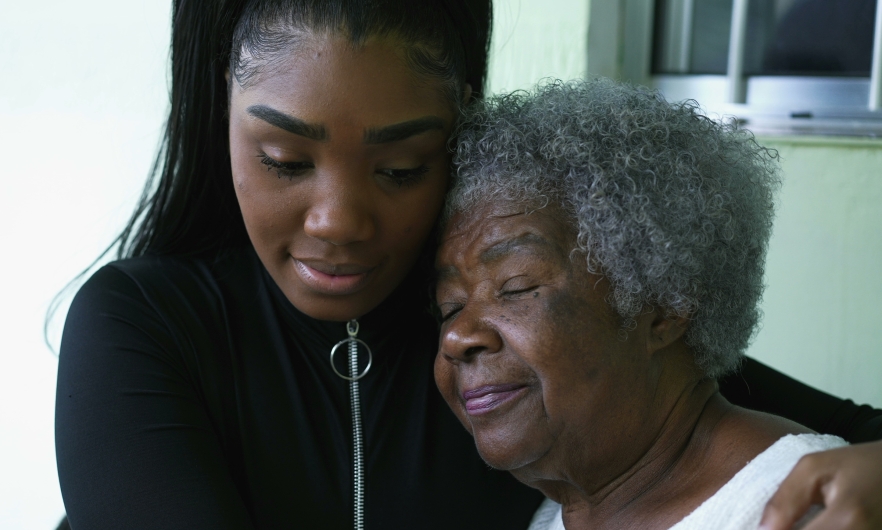
But among these caregivers is a group that is too often overlooked: the millions of youth in America who are quietly providing critical care for family members.

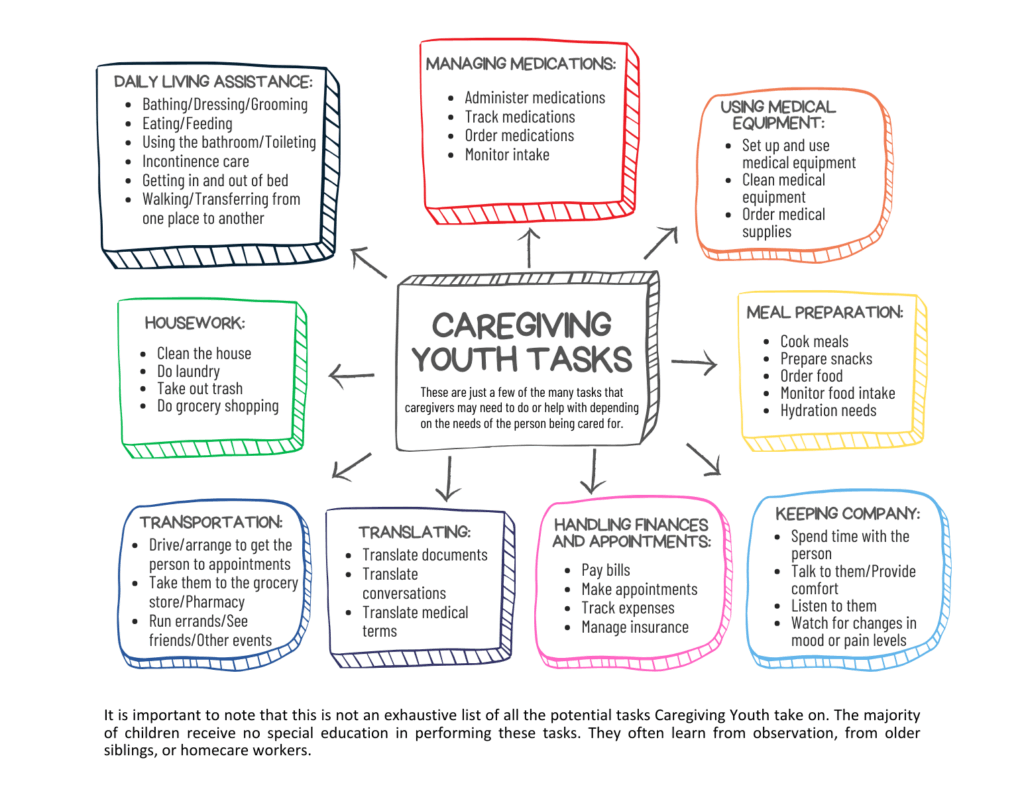
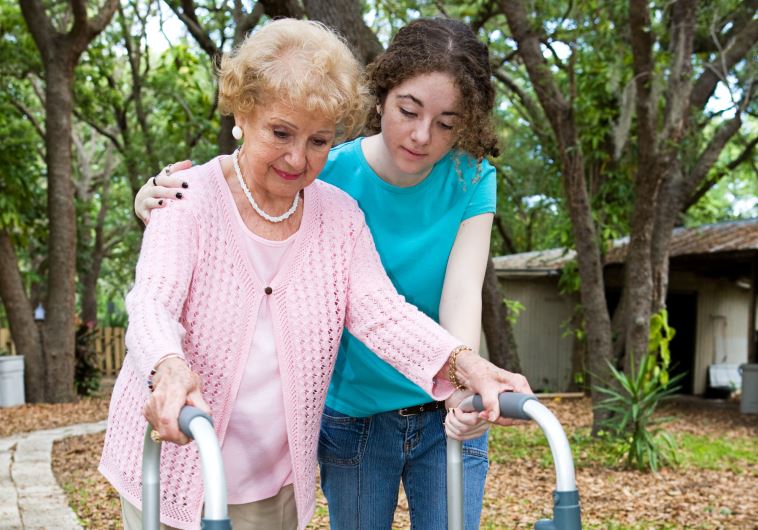
These caregiving youth—some as young as eight years old—are helping relatives with Alzheimer’s, chronic illnesses, disabilities, or mental health conditions. They may manage medications, help with mobility, translate at medical appointments, or take over household responsibilities—all while trying to keep up with school and peer relationships.

The emotional toll is deep, and the need for recognition and support is urgent.

The Hidden Lives of Youth Caregivers

Youth caregivers often live in the shadows of the caregiving narrative. Their stories are seldom included in national conversations or local planning, yet their reality is complex and demanding.

The American Association of Caregiving Youth (AACY) estimates that at least 5.4 million children and adolescents in the U.S. are caregivers.

Many do not self-identify as such because they view their role as a family obligation—not something extraordinary.

However, this quiet heroism comes with a cost:

  • Emotional strain: Feelings of isolation, anxiety, and depression are common.

  • Academic disruption: Absences, poor concentration, and unfinished homework can derail educational success.

  • Developmental challenges: Limited social interaction and adult-level responsibilities can stunt emotional and social development.

Caregiving Youth and Alzheimer’s Disease

For youth who care for family members with Alzheimer’s or other dementias, the challenges intensify.

Witnessing the cognitive and behavioral changes of a loved one is heartbreaking for any adult—imagine being a child and trying to make sense of those changes.

The Alzheimer’s Foundation of America (AFA) offers valuable education and support services, including a National Toll-Free Helpline (866-232-8484) and guidance specifically geared toward caregivers of all ages.

Why Schools and Communities Must Respond

Educators and school administrators are uniquely positioned to make a difference.

When a student is persistently tired, distracted, or absent, the underlying cause might not be disinterest or defiance—it could be caregiving.

Recognizing this possibility opens the door to essential accommodations like flexible deadlines, counseling support, or connecting families with outside resources.

Generations United champions intergenerational programs that bridge age gaps and foster mutual support.

Their research and advocacy highlight how engaging younger generations in caregiving roles—when done with proper support—can build empathy and resilience. However, without adequate systems in place, youth caregiving can limit future opportunities.

SupportCaregiving.org further underscores this point by offering policy insights and a toolkit of national resources aimed at easing the burdens placed on unpaid caregivers, including youth.

By increasing public awareness, we can push for policies that address the unique needs of caregiving students.

Resources That Make a Difference

There are several key organizations working to elevate and support youth caregivers:

    • American Association of Caregiving Youth (AACY.org): Offers direct services, peer support, and education to caregiving youth and their families. Their Caregiving Youth Project has been a national model for school-based support.

  • Generations United (gu.org): Advances public policy and intergenerational initiatives that support shared caregiving across generations.

  • Caregiver Action Network (caregiveraction.org): Provides education and advocacy for caregivers of all ages, including an array of resources for youth and families navigating complex care needs.

  • SupportCaregiving.org: A central hub for caregiver education and support initiatives, offering tools to help communities and schools support unpaid caregivers.

  • Alzheimer’s Foundation of America (alzfdn.org): Delivers specialized Alzheimer’s support, including caregiver webinars, therapeutic activities, and emotional wellness resources for all ages.

A Call to Action for Educators and Community Leaders

We cannot allow youth caregivers to remain invisible.

Teachers, school counselors, and administrators must be trained to recognize the signs of caregiving and respond with empathy, flexibility, and connection to support networks.

Here’s how to get started:

  • Implement caregiver-friendly school policies that allow for absences, late work, and mental health days.

  • Partner with organizations like AACY (aacy.org) or AFA (alzfdn.org) to provide workshops and informational materials.

  • Incorporate caregiving awareness into health and life skills curricula.

  • Host caregiver resource fairs to connect students and families with local and national supports.

By acknowledging and supporting caregiving youth, we not only help them succeed—we uplift entire families and strengthen our communities.

Let’s Shine a Light on Youth Caregivers—This Month and Every Month!

This November, let’s honor all family caregivers, including the youngest among them.

Let’s ensure they are seen, supported, and celebrated—not just for the care they provide today, but for the compassionate, capable leaders they are becoming.

Because no child should have to choose between caregiving and growing up.

Spread the love

Similar Posts

Leave a Reply

Your email address will not be published. Required fields are marked *