anxiety | Emotionally Abundant Living | mental health awareness | Physically Abundant Living | self-care | Whole Person Health
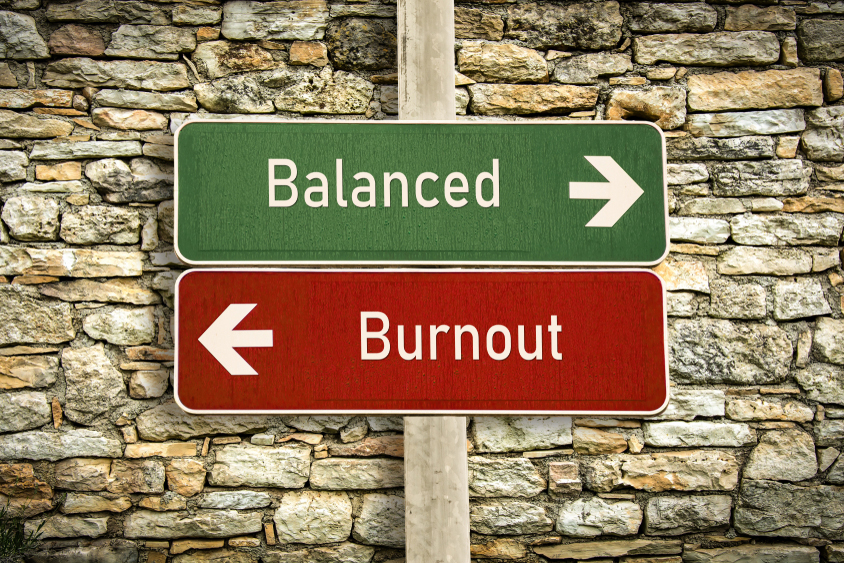
Burnout isn’t just for overworked professionals. Many middle-aged and older adults face chronic stress—from caregiving duties and health concerns to financial pressures and shifting family roles.
The World Health Organization defines burnout as “a syndrome resulting from chronic workplace stress that has not been successfully managed.” But the symptoms—emotional exhaustion, detachment, and reduced fulfillment—can affect anyone navigating life’s transitions.

The first step to moving from burnout to balance is noticing what your body and emotions are trying to tell you.
Try This:
📝 Keep a simple daily mood and energy tracker for 7 days. Note what increases or drains your energy.
Ask Yourself:
Resource: Mental Health America: Stress Screener
Burnout often comes from overcommitting or unrealistic expectations. You don’t have to do everything, every day. Try choosing one or two things each day that move the needle toward wellness.
Helpful Tip: Replace multitasking with “batching” tasks (e.g., return calls all at once, shop once weekly).
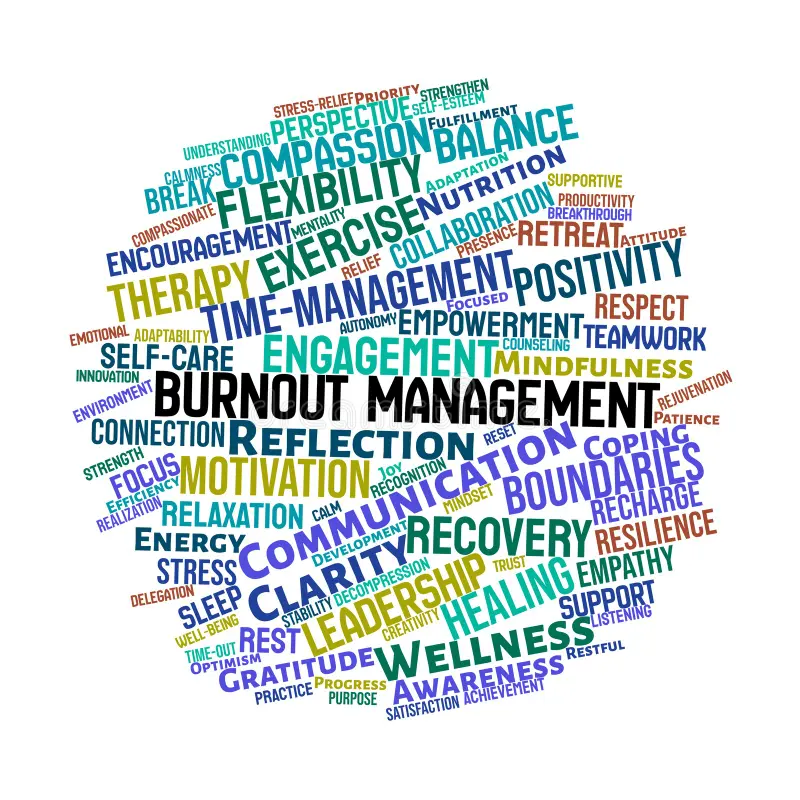
Building resilience doesn’t mean avoiding stress—it means creating inner tools to respond calmly and recover quickly.
Apps to Explore:
Isolation and burnout often go hand in hand. A key to healing is connection, whether through emotional support, laughter, shared experiences, or practical help.
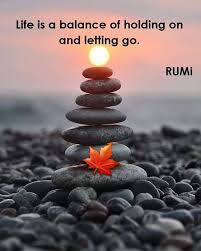
True balance comes when you stop waiting for joy and start noticing it daily. Joy doesn’t require grand experiences—it lives in music, sunlight, a hot cup of tea, or the sound of a grandchild’s voice.
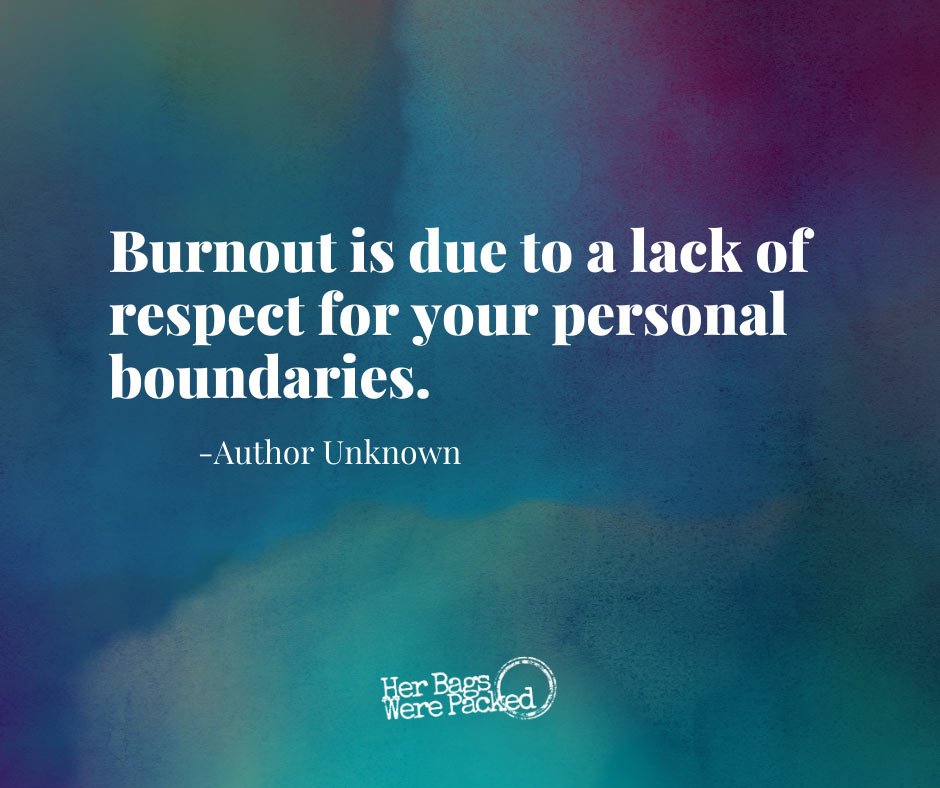
Burnout doesn’t mean you’ve failed. It means your body and soul are asking for something different. With small, consistent changes, you can restore balance and make space for joy—even in uncertain times.
Take one small action today: pause, breathe, smile, and remember—you are worthy of peace!